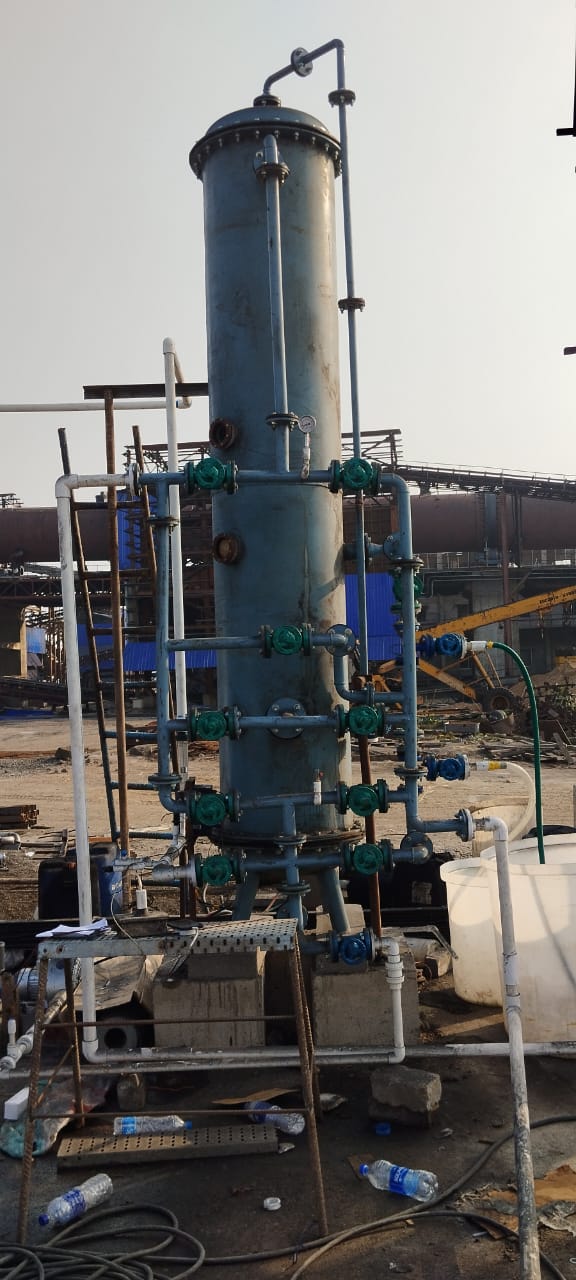
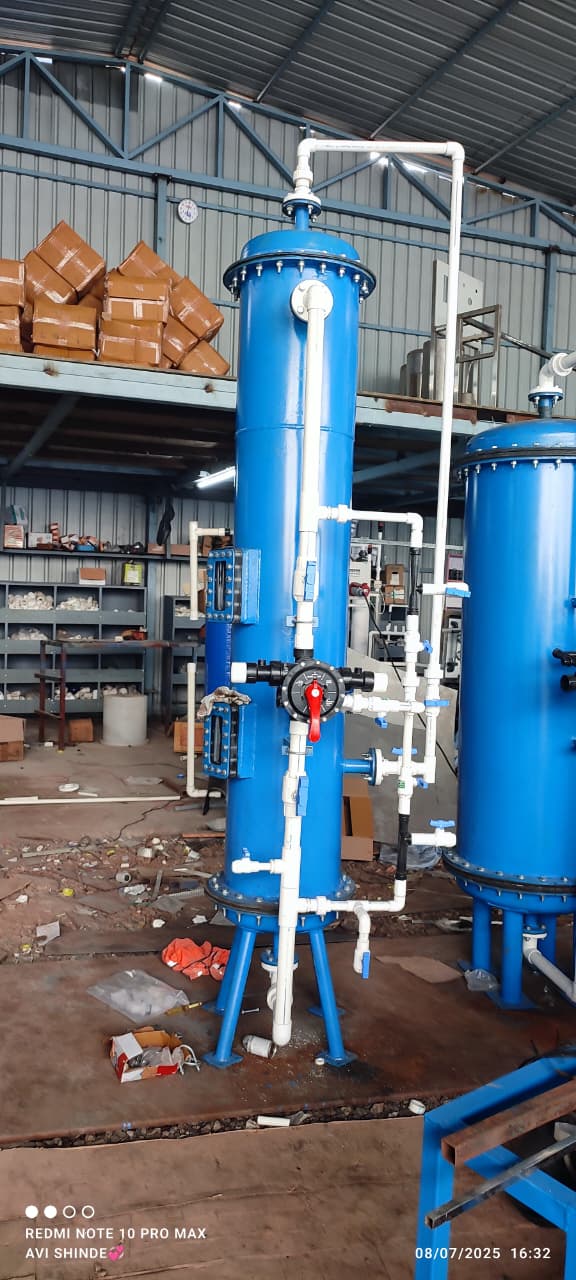
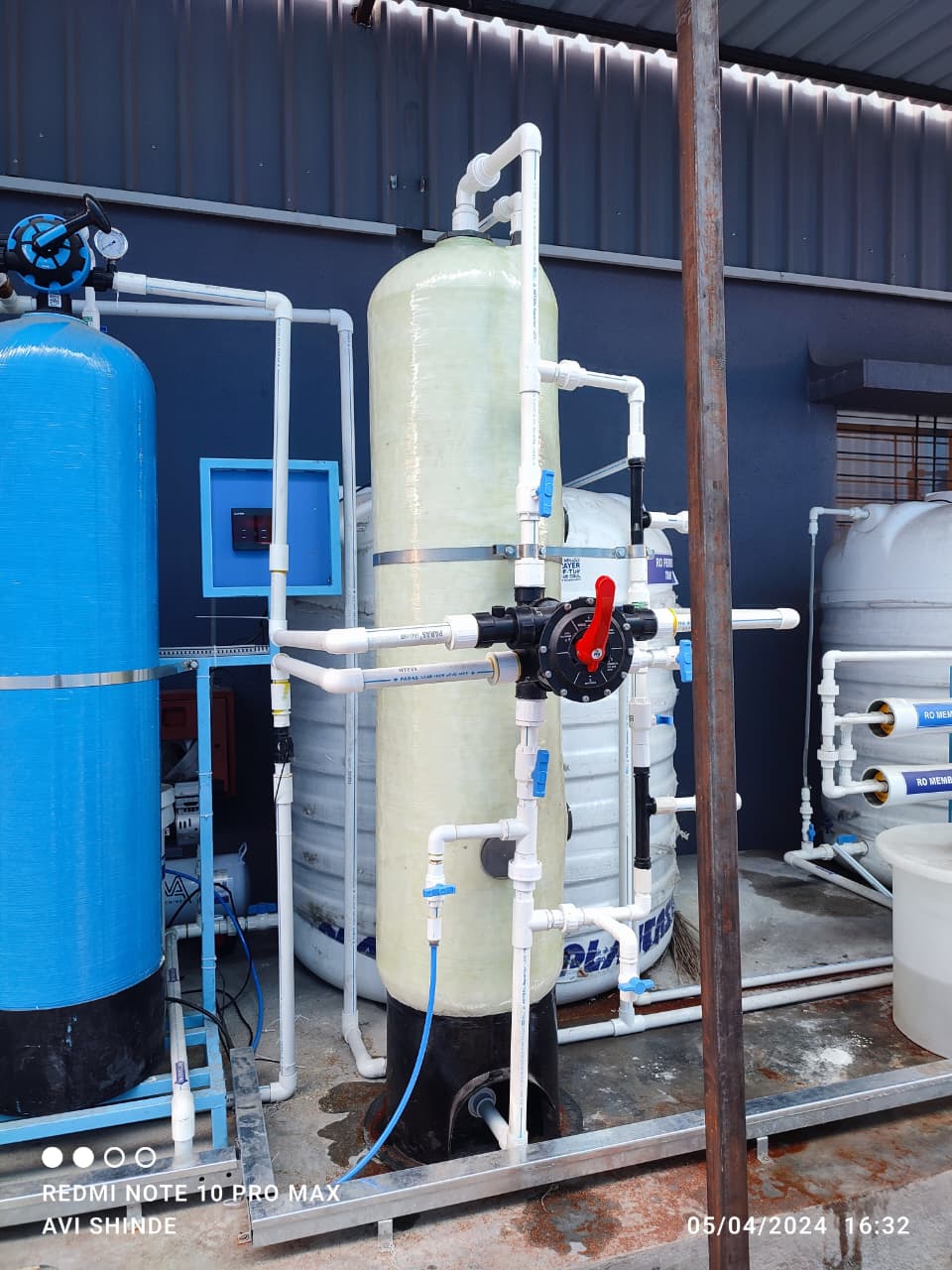
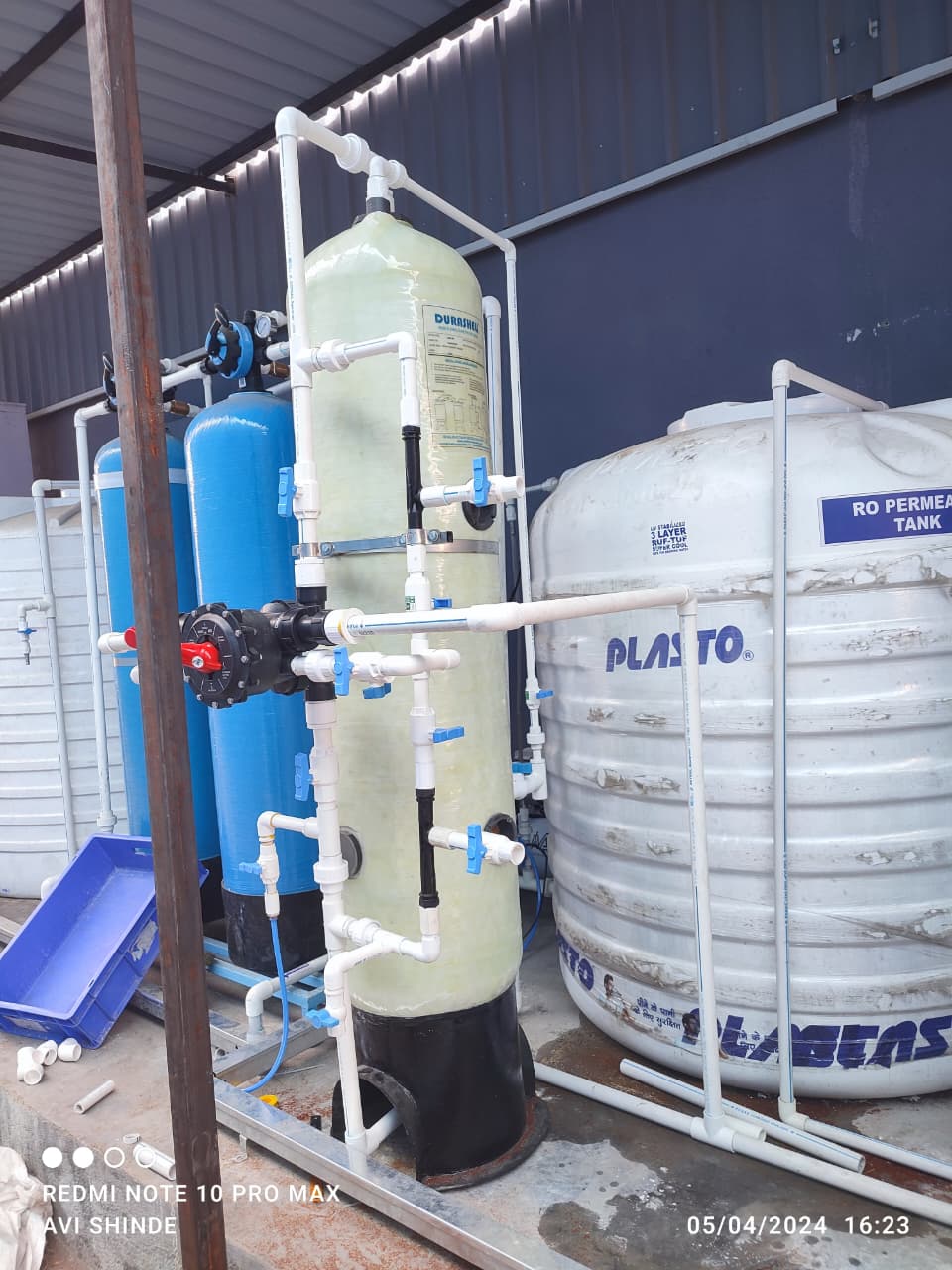
Industrial Mixed Bed Systems (MBDM)
Mixed Bed Deionization (MBDM) systems combine cation and anion resins in a single vessel to produce ultra-pure water as the final polishing stage after a DM plant or RO system. The resulting water quality typically achieves resistivity of 1–18 MΩ·cm, essential for semiconductor fabrication, pharmaceutical manufacturing, and laboratory applications.
Techno Aid Inc supplies MBDM units in external regeneration (off-site) and in-situ regeneration formats. We also offer service-exchange (rental) models where exhausted vessels are replaced with regenerated ones, eliminating the need for on-site chemical handling. Both permanently installed and portable mixed bed units are available.
Key Features & Benefits
- Ultra-pure water: resistivity up to 18 MΩ·cm
- Service-exchange models for chemical-free site operation
- Suitable as final polishing after DM plant or RO system
- Graded resin for uniform flow distribution and optimal contact
- Inline resistivity and conductivity monitoring at outlet
- Used in semiconductor, pharmaceutical, and laboratory industries
- Available in portable and permanently installed formats
- FRP vessels with rubber-lined internals for corrosion resistance
Technical Specifications
| Parameter | Specification |
|---|---|
| Type | Mixed Bed Deionizer (MBDM) |
| Resin Mix | Strong acid cation (H-form) + Strong base anion (OH-form) |
| Water Resistivity | 1 – 18 MΩ·cm (product) |
| Silica (Product) | < 5 ppb |
| TOC (Product) | < 10 ppb |
| Bacteria Count | < 1 CFU/100mL (with UV) |
| Vessel Material | FRP with rubber-lined nozzle and distributor |
| Regeneration Mode | In-situ / External / Service exchange |
| Monitoring | Inline resistivity, conductivity, TOC meters |
| Capacity | 100 LPH to 50 KLH |
Industries & Applications
How It Works
In a mixed bed unit, cation and anion exchange resins are physically mixed together in a single vessel. When feed water (already treated by DM or RO) passes through, each resin bead acts as an independent cation/anion exchanger. The alternating exchange reactions are equivalent to infinite series cation-anion exchanges, producing water of extremely high purity — up to 18 MΩ·cm resistivity. Inline resistivity monitoring detects resin exhaustion; the unit is then regenerated in-situ or exchanged with a fresh pre-regenerated vessel.